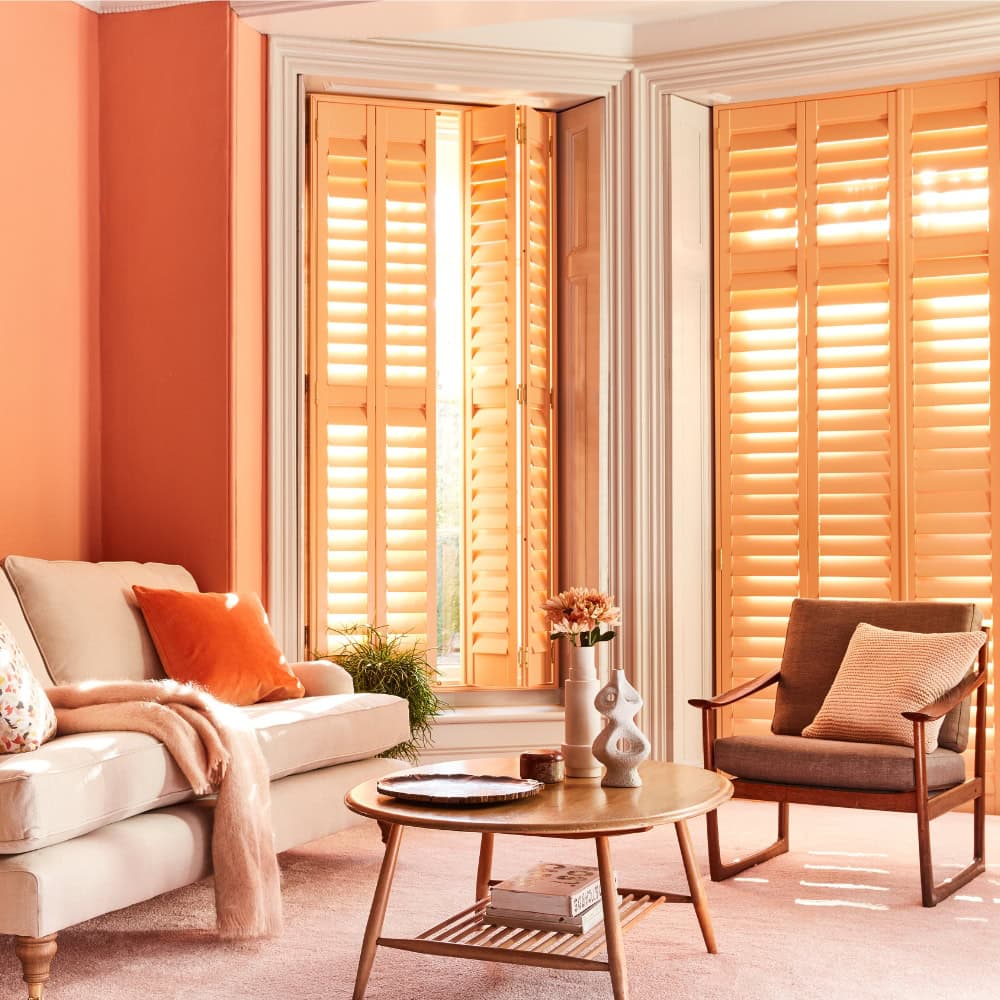
Choosing Between Tier on Tier Shutters and Curtains for Winter Privacy
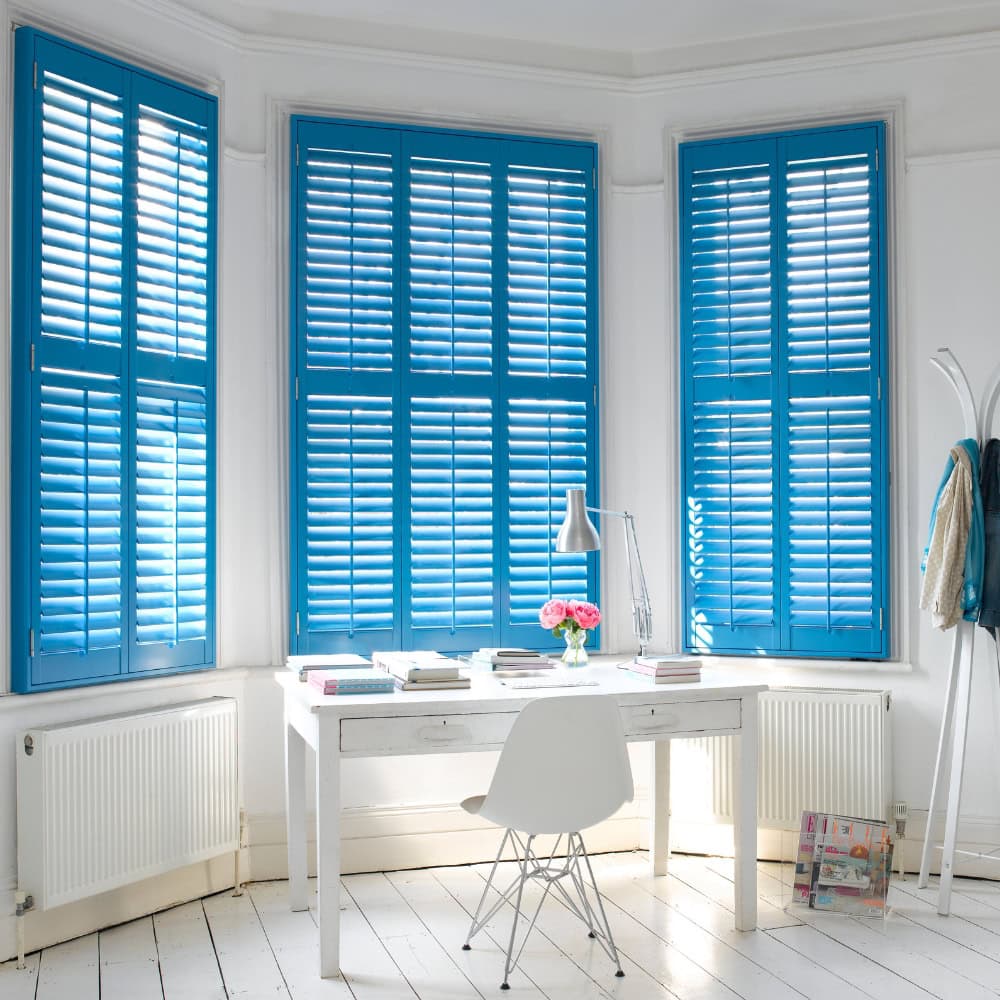
Keep Winter Privacy Without Sacrificing Daylight
November brings earlier sunsets, brighter streetlights and more evenings spent at home. That can make a front window feel far more exposed, especially when closing the curtains early also means losing the last of the afternoon light.
We often help people weigh up curtains against made-to-measure plantation shutters when privacy is their main concern. Tier-on-tier shutters offer a different kind of control because the upper and lower panels open separately. Here, we look at how they compare with curtains for privacy, light, appearance and everyday use in different rooms.
How Tier-on-Tier Shutters Handle Winter Privacy
Tier-on-tier shutters are split into two sections, with upper and lower panels that work independently. You can close the bottom panels to limit views in from the pavement or road, while leaving the top section open or adjusting its louvres to let daylight into the room.
This is particularly useful on winter afternoons, when daylight can still be welcome but passers-by, headlights and nearby homes feel more noticeable. Rather than covering the whole window, you can create privacy where you need it most, at eye level.
Tier-on-tier shutters can suit windows where flexible coverage matters, including:
- Tall sash windows
- Front-facing living-room windows
- Bedroom windows facing neighbouring properties
- Windows close to footpaths or driveways
Because we make each set to fit the individual opening, the panels can be designed around the size and layout of your window. The result is reliable coverage without treating every window in the house in exactly the same way. Although closed shutters can reduce incoming light, they are not designed to make a room completely dark unless a blackout shutter option is being considered.
Curtains Versus Tier-on-Tier Shutters in Winter
Curtains remain a lovely choice when softness, colour and fabric are a big part of the room’s look. They can bring warmth in a visual sense, and changing fabrics can be appealing if you enjoy refreshing your décor through the year.
The practical compromise is that curtains generally work as one piece. When they are drawn, the whole window is covered. When they are open, the whole window is exposed. During darker months, this can leave you choosing between privacy and daylight more often than you would like.
Tier-on-tier shutters handle that choice differently. Their separate sections and adjustable louvres allow you to reduce direct views into the home while still admitting light from above. Small changes to the louvre angle can also help you respond to shifting daylight without fully uncovering the window.
There are a few everyday differences worth considering:
- Curtains need space beside and around the window when open
- Fabric can collect dust and may need regular cleaning
- Fitted shutters create a neat, permanent window finish
- Well-fitted shutters may add another barrier at the window, although results vary with the property and condition of the window
Neither option is automatically right for every room. The best choice comes down to how you use the space and how often your privacy needs change during the day.
Match Your Window Covering to Each Room
Front rooms are often where tier-on-tier shutters make the biggest difference. If people regularly walk past, closing the lower panels can give you privacy while the upper louvres keep the room from feeling shut in. Dining rooms and home offices can benefit from the same flexibility, particularly when you want daylight without a clear view from outside.
Bedrooms are another strong option, especially where windows face a neighbouring house or street. You can close both sections when you want greater coverage, or use the lower panels on their own during the day. This gives you more control than a curtain that must usually be fully open or fully drawn.
Curtains may still be the better fit where the main aim is a layered, decorative look. A formal sitting room, for example, may suit dramatic fabrics, soft folds or a particular colour scheme. In some homes, shutters and curtains can work together, with shutters managing privacy and curtains adding texture.
Across homes in Stockport, Greater Manchester and Cheshire, we see everything from traditional terraces and period properties to newer developments. When choosing a style, it helps to consider:
- The shape and height of the window
- How close the window is to a pavement or neighbouring home
- Whether the room is used during the day, evening or both
- How much winter daylight you want to keep
Made-to-Measure Solutions for Bays and Awkward Windows
Bay windows can be difficult to dress neatly with standard curtains. Several angled sections, corners and changes in depth can make tracks, poles and fabric sit awkwardly. The same challenge can apply to tall windows and openings that are not a standard shape.
During our measuring and design process, we look at the individual window before recommending a panel layout, louvre size and fitting approach. For many bays and tall windows, tier-on-tier shutters can make daily adjustment simpler because the upper and lower parts can be managed separately.
Not every unusual window calls for a tier-on-tier design. A shaped window may be better suited to shaped shutters, while some openings may work best with full height, tracked or solid shutter styles. The aim is to choose a design that follows the window properly, rather than forcing a style where it does not belong.
Expert guidance is helpful here because privacy, light and appearance all need to work together. A window may look straightforward at first glance, but its position, angles and surrounding furniture can affect which solution feels best once it is fitted.
Choosing the Right Winter Privacy Option
Curtains are still a useful choice for homes where fabric, colour and softness lead the design. Tier-on-tier shutters, however, are a strong option when you want privacy that can change with the time of day, without immediately giving up the available winter light.
Before making a decision, think about what happens outside each window from afternoon into evening. The right covering should suit the window shape, room use, nearby views and the level of privacy you want, while still helping the room feel comfortable and open.
Make Winter Privacy Work Beautifully
At Sublime Shutters, we can help you understand how tier-on-tier shutters could work in your home, from tailored measurements to a considered finish. Our team will talk through your room’s practical needs and provide clear advice on the best approach. Ready to discuss your windows? Contact us to arrange a consultation.
Let's make your windows and doors look sublime
Every home deserves shutters that fit perfectly, look beautiful, and last for years. Whether you’re just browsing ideas or ready to book, we’ll guide you through the whole process with no pressure — just friendly advice and quality service from your local shutter specialists.