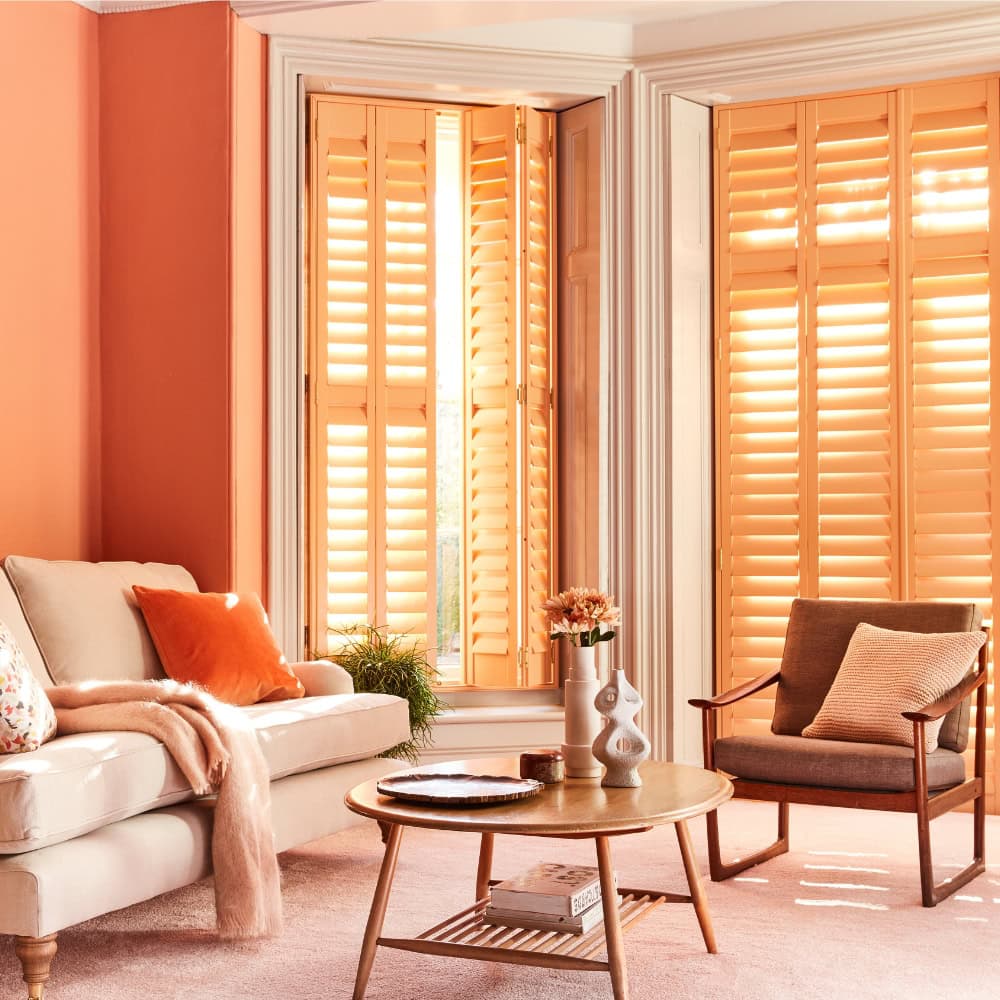
How to Plan Tracked Window Shutters for a Manchester Renovation
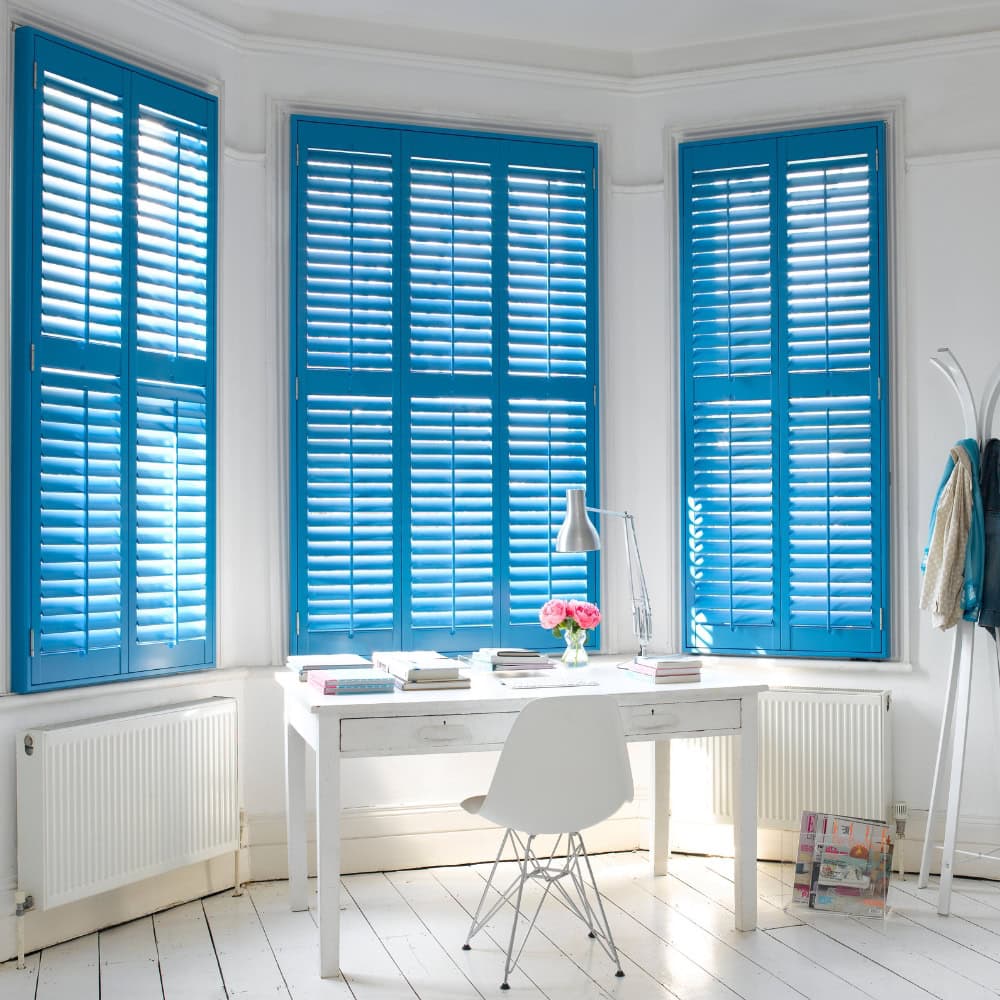
Visual Impact First: Why Tracked Shutters Suit Manchester Homes
Tracked window shutters are one of the most effective ways to deal with large expanses of glass while keeping your renovation looking calm, smart, and intentional. Across Manchester and Cheshire we see them working beautifully on modernised period terraces, bay-fronted semis and contemporary apartments, especially where there are big doors or wide openings to dress. Getting them right at the planning stage means they will feel like part of the architecture, not an afterthought.
Tracked shutters are simply plantation shutter panels that run along a top track, often with a bottom guide. The panels either fold to the side in a bi-fold style or slide past each other in a bypass system. Compared with standard shutters that are hinged directly to the frame, tracked window shutters are designed to cope with width and frequent movement, which makes them ideal for patio and French doors or wide room openings.
They are particularly well suited to:
• Large patio doors leading to gardens or terraces
• Wide bays that need a tidy, unified treatment
• Openings between living, dining and kitchen areas
For local renovators, they bring three big benefits. First, they help you manage low winter light, softening glare without making rooms feel gloomy. Second, they give excellent privacy on overlooked streets, especially at ground level. Third, full-height hardwood shutters add an extra layer in front of draughty older doors or windows, helping to keep things warmer while keeping the look clean and contemporary.
Assessing Your Space and Lifestyle Before You Measure
Before you even think about a tape measure, it pays to step back and look at how you use the space. Tracked window shutters make the most sense where you have width and movement, such as:
• Sliding or bi-fold doors to the garden or balcony
• Classic French doors in period homes
• Wide structural openings between rooms
• Long runs of glazing in extensions or orangeries
Layout is just as important as the opening itself. Consider:
• Furniture: will the shutter stack clash with a sofa, TV unit or dining table?
• Walkways: is there enough clear space for people to pass when the panels are open?
• Access: do you need full access to handles, balconies, Juliet railings or external steps?
• Heating: are there radiators under windows that could affect where tracks and frames sit?
• Flooring: timber, tiles and carpet all behave differently under a bottom guide track.
Lifestyle plays a big role in the best configuration. If you open doors daily, you will want a layout that lets you move quickly between inside and out. Families with pets or young children often prefer sturdy solutions that stand up to frequent use and curious hands. In bedrooms or media rooms, you might want blackout support from additional treatments, or smaller louvres for finer light control. It is also worth being honest about maintenance, as wider louvres can be quicker to dust than lots of small ones.
When you later select imagery for your renovation mood board, focus on full-height tracked shutters on doors or wide openings, rather than café-style or tier-on-tier designs. That way you are comparing like for like.
Choosing the Right Tracked Shutter Style and Configuration
There are two main types of tracked window shutters and each suits different homes and openings.
Bi-fold tracked shutters
These panels are hinged together and fold neatly to the side. They are a good choice when:
• You want to clear most of the opening for easy access
• You have space on one or both sides for the stack
• You like the look of panels folding back against the wall
By-pass tracked shutters
These panels slide past one another on parallel tracks. They tend to work best when:
• Space to stack panels at the side is tight
• You are dressing particularly wide doors or openings
• You do not mind always having some panels in front of the glass
Panel layout is where a design really starts to feel tailored. We look at:
• The number and width of panels, so they feel balanced and easy to handle
• Symmetry around door handles and fixed leaves
• Which direction panels should slide or fold, so they do not block key views or access
Style choices such as louvre size influence both look and performance. Larger louvres usually suit modern homes and give a stronger, more minimalist feel with fewer horizontal lines. Smaller louvres can be better for tighter privacy control or very traditional interiors. Colour and finish should complement your existing joinery, skirting and flooring, so shutters feel integrated rather than stuck on. Matching hardware tones with existing door handles and hinges also helps everything sit together quietly.
Because tracked systems carry more weight and are used frequently, quality matters. Our made-to-measure hardwood construction is designed to give you a smooth, reassuring movement across the track, day after day.
Planning for Light, Privacy and Thermal Comfort
Manchester and Cheshire homes deal with changeable daylight, from bright low sun to flat grey skies. That makes louvre planning key. North-facing rooms usually need all the light they can get, so a configuration that lets you keep louvres mostly open while keeping the doors covered can work well. South-facing elevations may benefit from slightly larger louvres that you can tilt to cut glare while still pulling daylight deep into the room.
Privacy is often as important as light, especially on street-facing terraces or city apartments. Tracked window shutters let you:
• Angle lower louvres up to block sightlines while keeping upper ones open
• Create a consistent look across several doors or windows on one elevation
• Adjust quickly during the day as footfall and neighbouring lights change
You also gain thermal and acoustic advantages. That layer of hardwood between you and older glazing helps reduce draughts around patio doors or original sash doors, and can soften traffic noise from busy routes. In a renovation where you are already improving insulation and airtightness, shutters can form part of a wider strategy to make rooms feel more comfortable across the year.
Sometimes tracked shutters work best alongside other treatments. You might pair them with:
• Sheer voiles for softness in open-plan spaces
• Curtains for extra darkness and a more traditional look in bedrooms
• Discreet blinds for full blackout where needed
If you are planning extras like this, it is important to think early about where tracks, poles and pelmets will sit in relation to the shutter frame.
Getting the Technical Details and Installation Timeline Right
Tracked systems are less forgiving than standard shutters, so accurate surveying is essential. We look carefully at:
• Clear opening widths and heights across several points
• Skirting boards, architraves and plaster returns
• Out-of-true ceilings, floors and walls that might affect track alignment
The top track needs solid fixings, so we assess plasterboard, lintels and any coving that could affect where the track can sit. On timber or laminate floors, expansion joints and movement gaps must be respected, which affects how any bottom guide is fixed or positioned. On tiles, we take care to plan fixings in grout lines where possible.
Sequencing within a broader renovation is another key part of planning. As a rule of thumb, it is wise to:
• Decide on tracked shutter locations early when planning layouts
• Arrange a detailed survey once major structural work is complete
• Install shutters after plastering and decorating, and usually after new flooring is laid
For lived-in homes, we adapt to minimise disruption, with clear guidance on what needs to be moved or cleared before installation. For full refurb projects, we coordinate with your wider schedule so tracked window shutters go in at a sensible point without risking damage from ongoing works.
From Plan to Finished Look with Tracked Shutters
Careful planning of your tracked window shutters pays off every day you live with them. By thinking through which openings to dress, how you move through the space, and the balance of light, privacy and warmth you need, your shutters become a working part of the renovation, not just decoration.
Before you move ahead, it helps to pull together inspirational images, rough room measurements and an outline of your renovation timeline. With that information, we can guide you through style options, panel layouts and hardwood finishes that suit your Manchester or Cheshire home.
For the finished blog post or mood board, we would suggest a featured image that shows full-height hardwood tracked plantation shutters on patio or French doors. That will clearly reflect the type of installation this article focuses on and help readers visualise how tracked shutters could work in their own spaces.
Get Started With Your Project Today
Transform your interiors with our expertly designed tracked window shutters, tailored to suit your space and style. At Sublime Shutters, we will guide you through every step, from initial ideas to precise installation. If you are ready to discuss your requirements or arrange a home visit, simply contact us and we will be happy to help.
Let's make your windows and doors look sublime
Every home deserves shutters that fit perfectly, look beautiful, and last for years. Whether you’re just browsing ideas or ready to book, we’ll guide you through the whole process with no pressure — just friendly advice and quality service from your local shutter specialists.