Troubleshooting Patio Door Shutters in Stockport: Handles, Locks, Clearance
Master Smooth-Sliding Patio Door Shutters This Autumn
Tracked shutters on patio doors can give you privacy, warmth, and style in one neat system. Wide glass doors are great for light and views, but when evenings get darker and colder it is easy to feel exposed and a bit chilly around all that glass.
Patio doors in homes around Stockport and Manchester are often large sliders, French doors, or bi-folds, which are not always simple to dress. Tracked shutters are a strong option here. They run on a top track, glide side to side and stack neatly to one or both sides, so you still enjoy your view when you want it.
Three things usually worry people most:
- Chunky handles that the shutters might hit
- Locks that still need to be easy and safe to use
- Thresholds that could catch, scrape or trip people
Our full survey-to-installation service is built to spot all of this early. We spend time on site working out how tracked shutters will sit on your doors so you get smooth movement and easy access once they are fitted.
For more detail on the shutter types we offer and the areas we cover, please .
Choosing the Right Tracked Shutters for Patio Doors
Not all tracked shutters are the same. The layout you choose makes a big difference to how your patio doors work day to day.
There are two main styles:
- Bypass tracked shutters, where panels slide past each other on separate tracks, good for wide sliders or where you want panels to stay flat
- Bi-fold tracked shutters, where panels fold together like a concertina, good when you want them to stack tightly to one side
For French doors, bi-fold often works well so you can park the stack clear of the opening. For very wide sliding doors, bypass can keep things balanced and light.
Panel width, louvre size and layout all affect how shutters clear handles and thresholds. For example, taller townhouses around Stockport with high ceilings might suit larger louvres and wider panels, while smaller patio openings in terraces or semis might work better with narrower panels for easier sliding.
Key choices we look at include:
- Panel width, to keep weight and movement comfortable
- Louvre size, to control light without clashing with handles
- Configuration, so the stacking side suits your room layout
Material choice matters too, especially for doors that open straight to a garden or patio where there may be more moisture and heavy use. Colour matching to uPVC, timber or aluminium frames helps the shutters feel built-in rather than added on.
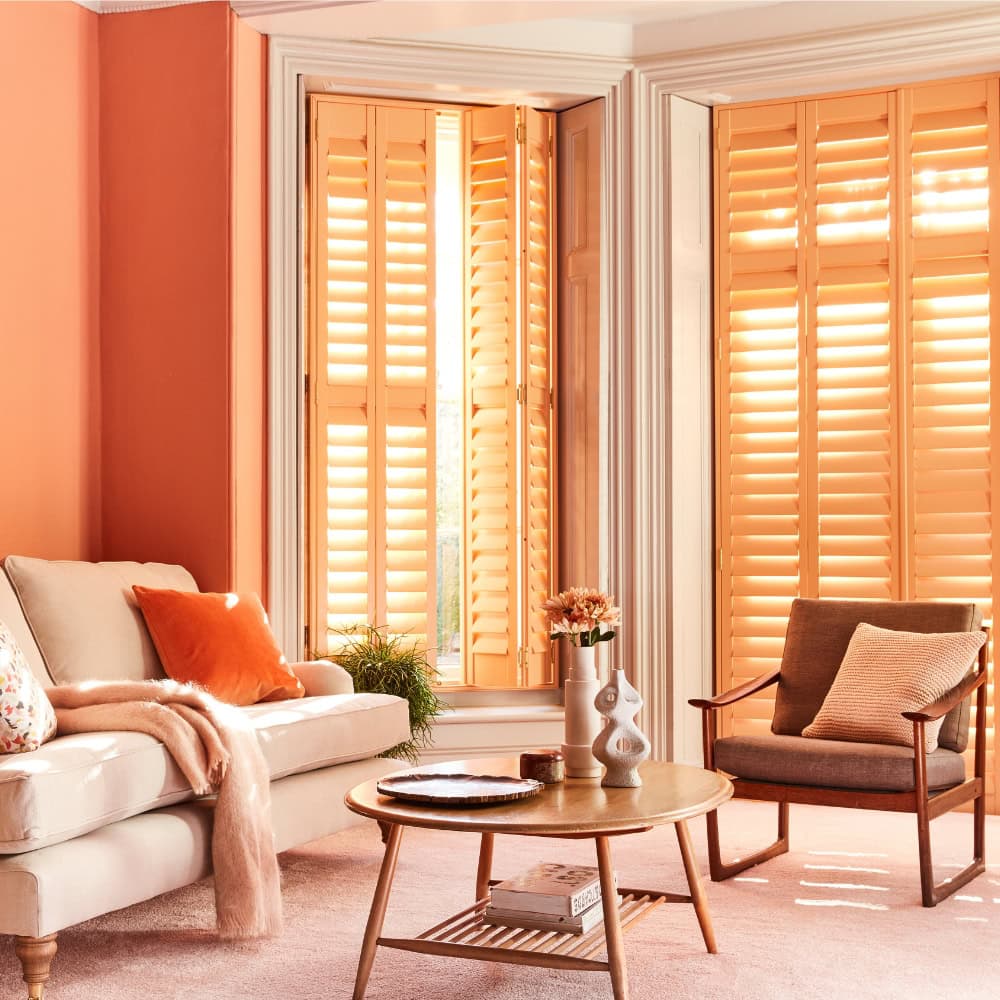
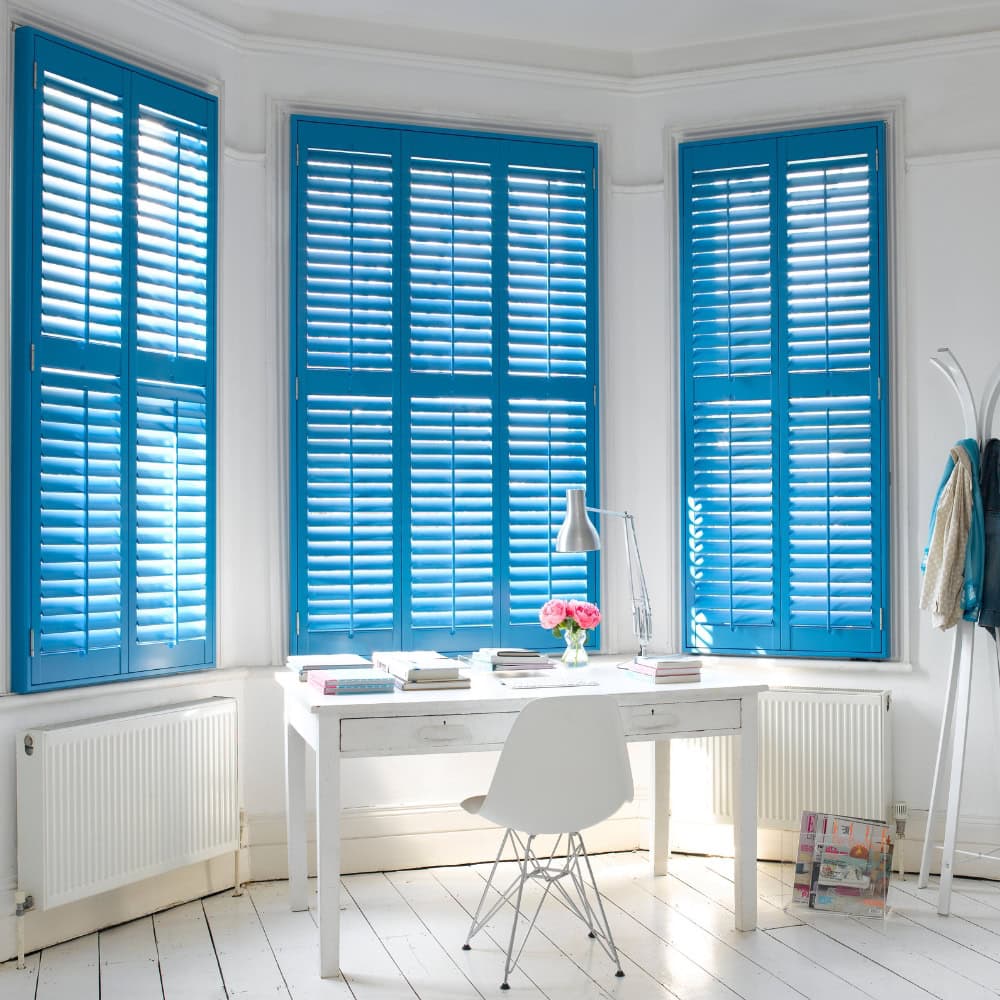
Professional measuring is the part that ties all this together. Accurate sizes and a clear plan at survey stage help avoid the wrong layout being picked. Any blog or featured images of your project should always show tracked shutters on doors so there is no confusion with standard window shutters. When selecting your featured image, ensure it clearly shows tracked patio door shutters rather than a different shutter type.
To learn more about our process from survey through to installation, you can .
Working Around Door Handles Without Compromising Style
Door handles are one of the biggest patio shutter headaches. Some stand proud, some belong to tilt-and-slide systems, others are chunky multi-point handles that stick out into the room.
We work around these in several ways:
- Deeper frames, to move the shutters slightly away from the glass and handles
- Stepped or build-out frames, to clear very proud handles
- Adjusted panel positioning, so stiles do not clash with the handle position
- Careful choice of which way panels slide or fold and where they stack
During the survey we check:
- Handle type and how far it projects
- Handle height, compared with where the mid-rail and louvres will sit
- How you use the door day to day, including your main exit point
This affects louvre size and panel width. For example, a high handle might sit neatly between two louvre sections, while a lower one may work better with a mid-rail so it has a natural break point around it.
We also plan for access. You should still be able to grab the handle quickly, especially in an emergency. That might mean:
- Leaving a dedicated access panel that you can slide or fold first
- Stacking the panels to the side that keeps your main handle easiest to reach
Keeping Locks Accessible and Secure Behind Tracked Shutters
Another common worry is that shutters will hide keyholes, thumb-turns or extra security bolts, which is not helpful on doors you use often to reach the garden.
There are several design tricks to stop this:
- Cut-outs or shaped frames around unusual lock positions
- Slightly rebated panels to reduce how far they sit over the lock area
- Careful layout so a key lock or deadlock falls in the gap between two panel stiles rather than squarely behind one
We also choose shutter hardware that stays out of the way of existing locks, so handles and catches do not get mixed up or awkward to use.
Good habits matter too:
- Keeping locks visible when shutters are open, so you can check they are secure
- Making sure you and your family know which panel to slide or fold first to reach a key point
Local surveyors around Stockport take time to note every locking point during the home visit. We talk through how you use the doors on darker mornings and evenings, when shutters might be closed more often and locks still need to be easy to reach and operate.
Avoiding Threshold Trips and Snags on Patio Doors
Thresholds can be tricky. No one wants a floor track in the middle of a doorway, and shutters should not scrape raised sills, carpets or tiles.
For tracked shutters over patio doors, we usually look at:
- Top-hung systems, where the weight is carried on the top track and the bottom has only small floor guides
- Low-profile floor guides that keep panels steady without becoming a trip risk
Top-track bearing is often a good choice on patio doors, because it keeps the walking area clearer and allows for small changes in flooring over time.
During the survey we check:
- Current flooring levels, including carpets, tiles and boards
- Any planned new flooring, such as luxury vinyl, new tiles or engineered wood
- Existing thresholds and sills, especially on older or extended properties
We then set the shutter height to:
- Clear existing floor finishes and door mats
- Allow for slight seasonal movement in doors and frames
- Sit low enough that draughts around the bottom of the shutters are reduced
This balance means panels glide smoothly without scraping or wobbling, and you are less likely to catch a toe on anything in the doorway, even when walking out to a wet patio on a dark autumn evening.
FAQs on Tracked Shutters for Patio Doors in Stockport
How do tracked shutters differ from standard window shutters on patio doors?
Tracked shutters slide or bi-fold along a top track and stack to the side, instead of swinging on hinges like standard window shutters. They are designed for wider openings and regular walk-through use. Any images used should clearly show tracked shutters on doors to avoid them being mistaken for standard window shutters.
Will tracked shutters stop my patio doors opening fully?
During the survey we plan stacking positions so panels park neatly where they cause the least obstruction. On sliders they often stack over fixed glass, and on French doors they are arranged so the main door leaf can open as wide as possible within the space.
Can tracked shutters be fitted to uPVC and aluminium patio doors?
Yes, most systems are fixed to the surrounding walls or reveals, not into the door frames themselves. This helps protect the integrity of uPVC and aluminium frames while still giving a solid fixing for the shutters.
Are tracked shutters suitable for rental properties or future renovations?
Tracked systems are generally reversible, and they sit in front of the doors rather than changing the doors themselves. During the survey we ask about planned kitchen extensions, patio refits or flooring changes, which are common in many Stockport suburbs, so we can plan a layout that will still work if the room evolves.
How long does survey-to-installation take for tracked shutters?
Lead times can vary, especially in the run-up to autumn and winter when more people are thinking about insulation and privacy. The process usually includes a home survey visit, careful measuring, design sign-off and a dedicated installation day with an in-house fitting team that deals with the full tracked system from top track to final adjustments.
Where can I find more information about your team and service areas?
You can to learn more about our team, the areas we cover around Stockport and Manchester, and to read further FAQs about tracked shutters and other shutter types.
Get Started With Your Project Today
Transform your space with beautifully crafted tracked shutters tailored to your home and lifestyle. At Sublime Shutters, we take the time to understand your requirements so we can recommend the most practical and elegant solution. If you are ready to explore design options or book a home visit, simply contact us and we will guide you through the next steps.
Let's make your windows and doors look sublime
Every home deserves shutters that fit perfectly, look beautiful, and last for years. Whether you’re just browsing ideas or ready to book, we’ll guide you through the whole process with no pressure — just friendly advice and quality service from your local shutter specialists.